
Can Seafarers Get a Mortgage?
- Authors
-
-

- Name
- Patrick Maflin
-

Yes, seafarers can get a mortgage, but it’s often more complex because lenders view their income, location, and employment structure as non-standard.
With the right preparation and often the help of a specialist seafarers mortgage broker, many seafarers successfully secure mortgages in the UK.
For those working at sea, understanding how lenders assess your situation is the key to turning what seems like a difficult process into an achievable one.
At a Glance
- Seafarers can get mortgages, but most require specialist lenders or brokers
- Income structure, tax status, and time abroad can complicate applications
- High street lenders may struggle with offshore or foreign income
- Proof of income and employment stability is critical
- Larger deposits can improve approval chances
- Specialist mortgage brokers often achieve better results for seafarers
Chapters
- Firstly, what is a Seafarer?
- Why Do Seafarers Struggle to Get a Mortgage?
- I'm a Seafarer - Can I Get a Mortgage?
- Why are Seafarer Mortgages Different?
- How is Seafarer Income and Loan Amount Calculated?
- Why Time at Sea Affects Getting a Mortgage
- Expat Mortgages vs Seafarer Mortgages
- How to Get a Seafarer Mortgage
- Final Thoughts
Firstly, what is a Seafarer?

A seafarer is anyone who works at sea, typically on commercial ships, offshore vessels, cruise ships, or superyachts.
This includes roles such as captains, engineers, deckhands, stewards, chefs, and officers.
Unlike land-based workers, seafarers often spend long periods offshore, may be paid in foreign currencies, and can work on rotational contracts rather than permanent employment agreements.
These factors make their financial profile quite different from the typical UK employee, which is where mortgage challenges begin.
Why Do Seafarers Struggle to Get a Mortgage?
From a lender’s perspective, mortgage applications are built around predictability and stability.
Most high street lenders prefer applicants with a fixed salary, a UK-based employer, and consistent residency.
Seafarers often do not fit neatly into this model.
Their income can vary depending on contracts, bonuses, or charter tips.
Some are paid in US dollars or euros.
Others spend more than half the year outside the UK, which raises questions about residency and tax status.
In addition, lenders may find it harder to verify employment if the employer is based overseas or if contracts are short-term.
None of these factors make a mortgage impossible, but they do mean additional scrutiny and, in many cases, the need for a more flexible lender.
I'm a Seafarer - Can I Get a Mortgage?
Yes, you absolutely can.
The key difference is that your application needs to be presented correctly.
Seafarers are often strong mortgage candidates in reality.
Many earn high salaries, have low living costs while working onboard, and can save significant deposits.
However, unless a lender understands how to interpret that income, it may appear inconsistent or uncertain on paper.
This is where specialist lenders and brokers come into play.
They understand contract-based income, rotational work patterns, and offshore employment.
With the right approach, your financial profile can be positioned as stable and reliable.
Why are Seafarer Mortgages Different?

Seafarer mortgages differ because lenders must adapt their assessment methods to suit non-standard income and working arrangements.
Residential Mortgages for Seafarers
A residential mortgage allows you to purchase a home to live in.
For seafarers, lenders will assess your affordability based on your income, but may take a more cautious approach depending on how consistent that income appears.
Some lenders will average your earnings over a period of time, while others may require a longer track record of employment.
Buy-to-Let Mortgages for Seafarers
Buy-to-let mortgages are often attractive for seafarers who spend long periods away from home.
These mortgages are typically assessed based on rental income rather than personal income, which can make them easier to secure in some cases.
However, lenders may still consider your overall financial stability and tax status before approving the loan.
How is Seafarer Income and Loan Amount Calculated?
Understanding how lenders assess your income is crucial to a successful application.
Income & Status
Lenders will look at whether you are employed, self-employed, or working on contracts.
Permanent employment is often viewed more favourably, but contract workers can still qualify if they have a consistent track record.
Currency
If you are paid in foreign currency, lenders may apply exchange rate adjustments or only consider a percentage of your income to account for fluctuations.
Offshore Bank Accounts
Income paid into offshore or foreign bank accounts can sometimes complicate the process.
Lenders may request additional documentation to verify funds and ensure compliance with UK regulations.
Tax Status
Your tax position plays a significant role.
Seafarers who qualify for tax relief schemes may have higher net income, but lenders often assess gross income and may require confirmation of your tax status.
Why Time at Sea Affects Getting a Mortgage
Spending long periods outside the UK can affect how lenders view your residency status.
Some lenders require applicants to be UK residents, while others are more flexible.
If you are away for extended periods, lenders may want reassurance that you maintain strong ties to the UK.
This can include a UK address, bank account, and credit history.
The more evidence you can provide of your connection to the UK, the easier it becomes for a lender to approve your application.
Expat Mortgages vs Seafarer Mortgages
Although seafarers are sometimes treated similarly to expatriates, the two are not the same.
Expat mortgages are typically designed for individuals living permanently overseas.
Seafarers, on the other hand, often remain UK residents but work internationally on a rotational basis.
This distinction matters because some lenders have specific products tailored to seafarers, recognising that they return to the UK regularly and maintain a base there.
How to Get a Seafarer Mortgage
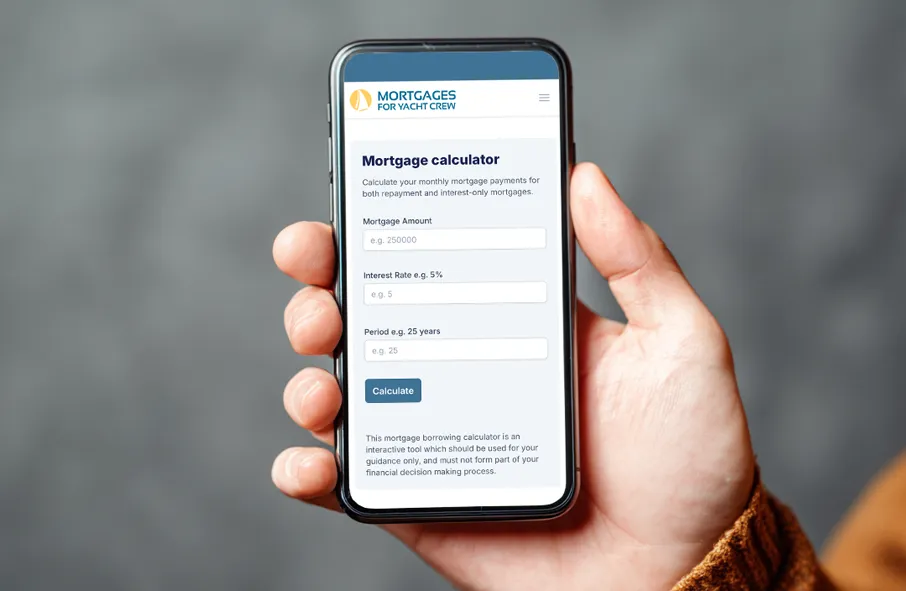 Securing a mortgage as a seafarer is entirely achievable when approached correctly.
Application Process
The process is broadly similar to any mortgage application, but with additional emphasis on documentation.
Lenders will require a clear picture of your income, employment, and financial history.
Proof of Residency
Providing evidence of UK residency can significantly strengthen your application.
This may include utility bills, bank statements, or proof of address.
UK Bank Account
Having a UK bank account where your income is received or transferred can simplify the process and make your finances easier for lenders to assess.
Deposit Size
A larger deposit can improve your chances of approval and may open the door to more competitive mortgage rates.
Many seafarers are able to save substantial deposits due to lower living expenses while working onboard.
Property Insurance
Lenders will require appropriate buildings insurance, and in some cases may also consider how often the property will be occupied, particularly if you are away for extended periods.
Frequently Asked Questions
Can I Get a Larger Mortgage if my Income is Tax Free?
Possibly, but lenders typically base affordability on gross income rather than net income.
While tax-free earnings can improve your financial position, they do not always increase the loan amount directly.
Can I Get a Buy-to-Let Mortgage as a First-Time Buyer?
Yes, but options may be more limited.
Some lenders are cautious about first-time buyers entering the buy-to-let market, though specialist lenders may still consider your application.
Can I Get a Mortgage without a Permanent Employment Contract?
Yes, but you will need to demonstrate consistent income over time.
A strong history of contracts in the same role or industry can help reassure lenders.
Final Thoughts
So, can seafarers get a mortgage? Absolutely.
While the process may be more complex than for a typical UK employee, it’s far from impossible.
The key lies in understanding how lenders view your situation and presenting your financial profile in the right way.
With strong documentation, a solid deposit, and often the guidance of a specialist broker, many seafarers successfully secure mortgages and invest in property.
In many ways, seafarers are excellent mortgage candidates.
The challenge is not your ability to repay, but ensuring the lender understands your unique working life.
Once that gap is bridged, the path to home ownership becomes much clearer.
Disclaimer: Any advice in this publication is not intended or written by Marine Accounts to be used by a client or entity for the purpose of (i) avoiding penalties that may be imposed on any taxpayer or (ii) promoting, marketing or recommending to another party matters herein.
Also on Marine Accounts

Patrick Maflin