
What is a Navigational Watch Rating (NWR) Certificate?
- Authors
-
-

- Name
- Patrick Maflin
-
A Navigational Watch Rating (NWR) Certificate is an internationally recognised maritime qualification that confirms a seafarer is competent to assist with bridge watchkeeping duties, including lookout, helm duties, and basic navigation support, under the STCW framework.
In practical terms, it allows deck crew to legally stand a navigational watch as part of a vessel’s bridge team.
For anyone working toward a professional career at sea, particularly in commercial shipping or large yachts, the NWR certificate represents a key step from entry-level deck work into recognised watch-keeping responsibility.
At a Glance
- The NWR certificate is an STCW A-II/4 qualification for deck ratings.
- It proves competence to assist with navigational watch-keeping on the bridge.
- NWR is commonly required on commercial vessels and large yachts.
- The certificate is gained through sea service, training, and assessment.
- It supports career progression from deckhand to officer pathways.
- NWR is issued by the MCA (or equivalent flag authority).
Chapters
- What is a Navigational Watch Rating (NWR)?
- Who Needs NWR Training?
- What Does an NWR Training Course Entail?
- How to Apply for an NWR Certificate
- Advantages of Getting an NWR
- Can Deckhands Get Yacht Jobs with an NWR?
- Final Thoughts
What is a Navigational Watch Rating (NWR)?
The Navigational Watch Rating certificate is designed for seafarers working in deck roles who contribute directly to bridge operations.
Rather than being an officer qualification, NWR sits at rating level, meaning it applies to crew who assist officers during navigational watches rather than taking command.
An NWR-qualified seafarer is trained to perform lookout duties, steer the vessel under instruction, communicate effectively on the bridge, and support officers during routine and emergency operations.
The qualification is governed by the International Convention on Standards of Training, Certification and Watchkeeping for Seafarers (STCW), specifically Code A-II/4.
Because it is internationally recognised, an NWR certificate allows a deck rating to work on vessels operating worldwide, provided the flag state accepts STCW certification.
In the UK, the certificate is issued by the Maritime and Coastguard Agency.
Who Needs NWR Training?

NWR training is intended for professional seafarers who are expected to take part in navigational watch-keeping.
This commonly includes deckhands and ratings working on commercial vessels where bridge watches are maintained around the clock.
Crew on larger yachts, particularly those over 500 gross tonnes or operating under commercial codes, often benefit from or are required to hold NWR certification.
It’s also relevant for seafarers aiming to progress toward officer training, as it demonstrates practical bridge experience and competence.
While not every yacht deckhand strictly needs an NWR certificate, it becomes increasingly valuable as vessel size, complexity, and operational demands increase.
On commercial ships, it’s often mandatory for ratings assigned to watch-keeping duties.
What Does an NWR Training Course Entail?
NWR training is not a single classroom-based course.
Instead, it’s a competency-based qualification built around real sea service, onboard assessment, and supporting safety training.
To gain an NWR certificate, a seafarer must demonstrate practical competence in areas such as lookout procedures, helm duties, basic navigation awareness, collision avoidance principles, and emergency response.
Much of this competence is developed onboard through supervised watch-keeping.
In addition to practical experience, candidates must complete mandatory STCW basic safety training.
This ensures they understand fire prevention, firefighting, survival at sea, personal safety, and emergency responsibilities.
Some training centres also provide structured NWR preparation courses to help candidates understand what evidence and competence are required before assessment.
How to Apply for an NWR Certificate
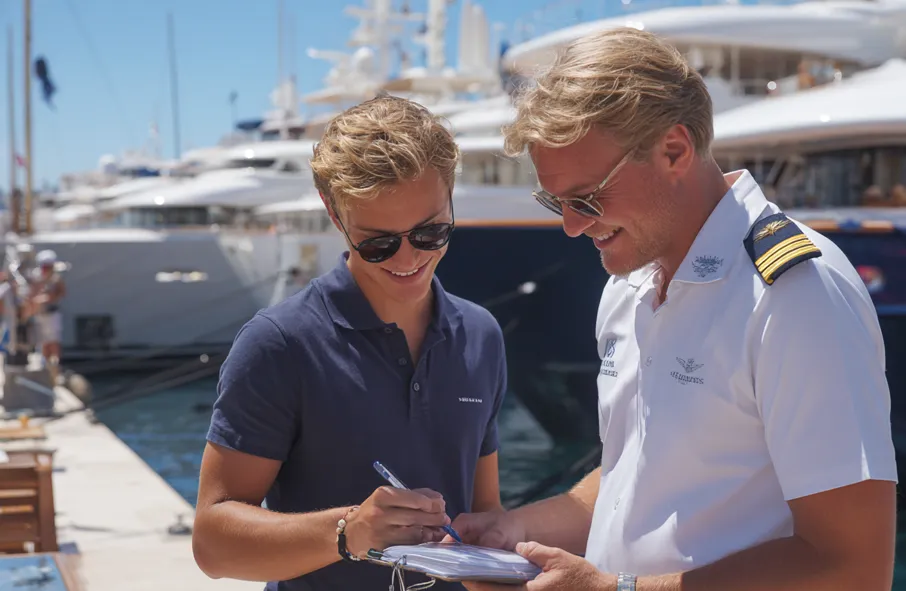
Applying for an NWR certificate involves meeting defined experience requirements and submitting evidence to the relevant maritime authority.
Required Experience
To be eligible for an NWR certificate, a seafarer must complete a minimum period of approved sea service, typically around six months, during which they have actively participated in navigational watch-keeping duties.
This sea service must be properly recorded and signed off by a qualified officer or the vessel’s master.
The experience should include exposure to bridge operations, lookout duties, steering, and routine watch-keeping tasks, rather than purely deck maintenance work.
Required Documentation
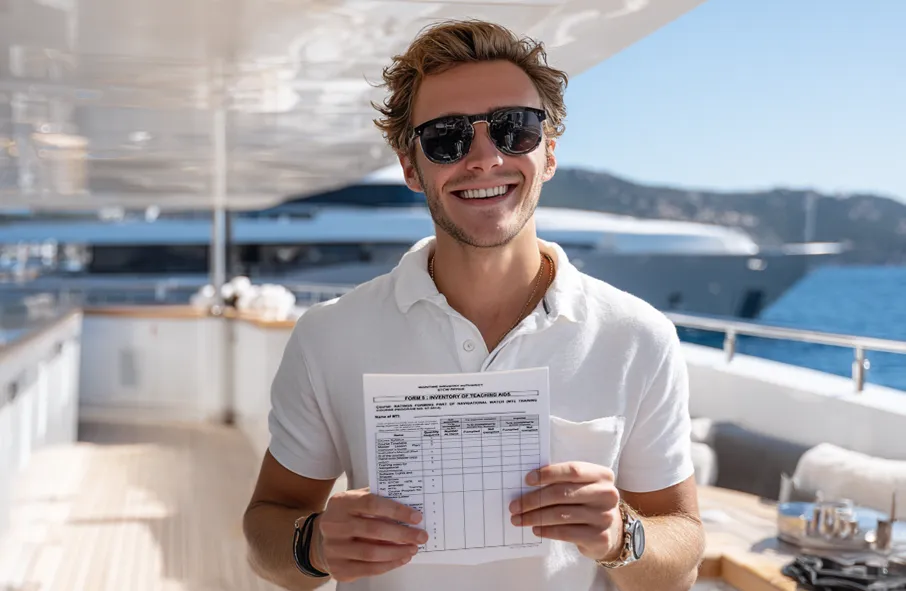
Applicants must submit a completed application form along with documentary evidence of sea service, proof of completed STCW basic safety training, and a valid seafarer medical certificate such as an ENG1.
In many cases, a testimonial or record of onboard assessment confirming competence in NWR duties is also required.
Once reviewed and approved, the certificate is issued by the MCA or relevant flag authority.
Advantages of Getting an NWR
Holding an NWR certificate offers several practical and career-related advantages.
It formally recognises a deck rating’s contribution to navigational safety, which can significantly improve employability on larger vessels.
It also demonstrates commitment to professional development, something captains and employers value highly.
From a career progression perspective, NWR provides a strong foundation for those considering officer training, as it exposes crew to bridge procedures, navigation concepts, and watch-keeping discipline early in their career.
Even for those who plan to remain in rating roles, it can lead to increased responsibility and improved job prospects.
Can Deckhands Get Yacht Jobs with an NWR?
Yes, and in some cases, an NWR certificate can be a real advantage.
While many entry-level yacht deckhands are hired without it, holding NWR can help a candidate stand out, particularly for positions on larger yachts operating commercially or undertaking long ocean passages.
On vessels that maintain formal watch systems, an NWR-qualified deckhand may be trusted with greater responsibility on the bridge, supporting officers during night watches or transits.
This can lead to faster progression and stronger references within the yachting industry.
Final Thoughts
The Navigational Watch Rating certificate is a practical, internationally recognised qualification that bridges the gap between entry-level deck work and professional watch-keeping responsibility.
It confirms that a seafarer can safely and competently assist officers on the bridge, contributing directly to the vessel’s navigation and safety.
For deckhands serious about building a long-term maritime career, whether in commercial shipping or large-scale yachting, the NWR certificate represents an important milestone.
It’s not just a piece of paper, but evidence of experience, reliability, and readiness to take on greater responsibility at sea in a career in yachting.
Disclaimer: Any advice in this publication is not intended or written by Marine Accounts to be used by a client or entity for the purpose of (i) avoiding penalties that may be imposed on any taxpayer or (ii) promoting, marketing or recommending to another party matters herein.