How to Get a Job on a Superyacht
- Authors
-
-

- Name
- Patrick Maflin
-
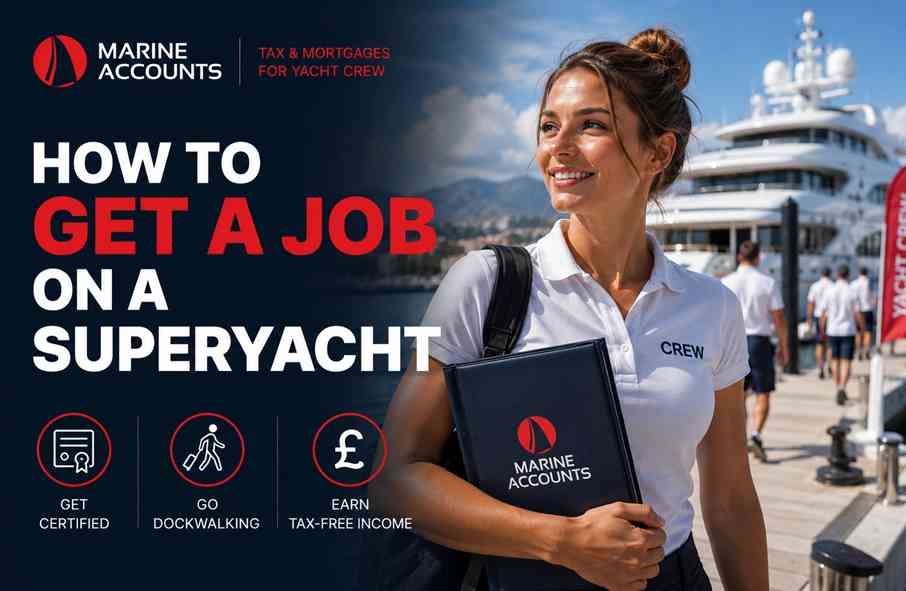
To get a job on a superyacht, you need the right certifications, a professional CV, and a proactive approach to networking and job seeking in key yachting hubs.
In simple terms, success comes down to preparation, persistence, and proving you can meet the high standards expected onboard.
For those new to the industry, breaking into yachting can feel confusing at first.
But once you understand how the system works and what employers are really looking for, it becomes a clear and achievable process.
Key Takeaways
- You must complete basic certifications like STCW and an ENG1 medical before applying
- Entry-level roles include deckhand and steward or stewardess
- A strong yachting CV and professional presentation are essential
- Most jobs are found through networking, dockwalking, and agencies
- Persistence and attitude often matter more than experience
- The industry is competitive, but opportunities are available year-round
Chapters
- What is it Like Working on a Superyacht?
- Entry-Level Yacht Jobs
- How to Prepare for Life Working on a Superyacht
- Must Have #1: STCW Basic Safety Training
- Must Have #2: Proficiency in Security Awareness (PSA)
- Must Have #3: ENG1 Medical Certificate
- Must Have #4: Visas & Travel Documentation
- Must Have #5: Specialist Skills
- Must Have #6: Create a Yachting CV
- Must Have #7: Strong Work Ethic
- How to Find a Job on a Superyacht
- Final Thoughts
What is it Like Working on a Superyacht?

Before trying to get a job, it’s important to understand what the role actually involves.
Working on a superyacht is not a typical hospitality or maritime job.
It combines both, often at an extremely high level.
Life onboard is fast-paced and demanding.
Crew are expected to work long hours, sometimes 12 to 16 hours a day, especially during busy charter periods.
Standards are exceptionally high, as guests are often ultra-high-net-worth individuals who expect flawless service at all times.
However, the rewards can be significant.
Crew typically benefit from competitive salaries, low living costs while onboard, opportunities to travel, and exposure to some of the most exclusive environments in the world.
That said, it’s not a holiday job.
It requires resilience, professionalism, and the ability to live and work closely with others in a confined space.
Entry-Level Yacht Jobs
Most people start their careers in yachting in entry-level roles.
These positions do not usually require previous yacht experience, but they do require the right attitude and preparation.
Deckhand
A deckhand works on the exterior of the yacht and is responsible for maintenance, cleaning, mooring operations, and assisting with water sports equipment.
The role is physical and hands-on, often involving early mornings and outdoor work in all conditions.
Deckhands are expected to be practical, hardworking, and willing to learn.
Basic skills such as cleaning, painting, and general maintenance are highly valued.
Steward or Stewardess
A steward or stewardess works in the interior of the yacht, focusing on guest service, housekeeping, and presentation.
This role is heavily service-oriented and requires strong attention to detail.
Typical responsibilities include cleaning cabins, setting tables, serving food and drinks, and ensuring guests have everything they need.
Previous experience in hospitality, hotels, or customer service can be hugely advantageous.
How to Prepare for Life Working on a Superyacht

Preparation is where many candidates succeed or fail.
Before you can apply for jobs, you need to meet the basic industry requirements and present yourself professionally.
Must Have #1: STCW Basic Safety Training
The STCW Basic Safety Training course is mandatory for anyone working on a commercial vessel.
It covers essential safety skills such as firefighting, sea survival, first aid, and personal safety.
Without this certification, you will not be able to work onboard legally.
Must Have #2: Proficiency in Security Awareness (PSA)
This course teaches you how to recognise and respond to security threats onboard.
It’s another mandatory requirement and is often completed alongside or shortly after your STCW training.
Must Have #3: ENG1 Medical Certificate
An ENG1 medical certificate confirms that you are physically fit to work at sea.
It’s issued by an MCA Approved Doctor and is required before you can be employed on most yachts.
Must Have #4: Visas & Travel Documentation
Depending on where you plan to work, you may need specific visas.
For example, yachts operating in the Mediterranean or Caribbean may require different entry permissions.
Having valid travel documents in place ensures you can join a yacht at short notice.
Must Have #5: Specialist Skills
While not always essential, additional skills can make you far more employable.
These might include bartending, silver service, diving, water sports instruction, or engineering knowledge.
The more relevant skills you can demonstrate, the more attractive you become to employers.
Must Have #6: Create a Yachting CV
A yachting CV is different from a standard CV.
It should be concise, well-structured, and include a professional photo.
It should highlight your certifications, relevant experience, and key personal qualities.
Presentation matters.
A poorly formatted CV can be enough to lose an opportunity.
Must Have #7: Strong Work Ethic
Perhaps the most important requirement is your attitude.
Yacht captains and crew managers are often willing to train the right person, but they cannot teach work ethic.
Being reliable, positive, and willing to learn will often carry more weight than experience.
How to Find a Job on a Superyacht

Once you are prepared, the next step is finding your first role.
This is where persistence and strategy are essential.
Dockwalking
Dockwalking involves physically visiting marinas where yachts are based and introducing yourself to crew.
It may feel uncomfortable at first, but it’s one of the most effective ways to find work.
It shows initiative and allows you to make a personal impression.
Crew Agencies
Crew agencies play a major role in yacht recruitment.
Registering with reputable yachting agencies gives you access to job listings and increases your visibility to employers.
Make sure your profile is complete and regularly updated.
Social Media
Platforms like Instagram and LinkedIn are increasingly used in yachting.
Following industry accounts and engaging with content can help you stay informed and visible.
Networking
Networking is one of the most powerful tools in the industry.
Many jobs are filled through word of mouth before they are ever advertised.
Building relationships with other crew can open doors that formal applications cannot.
Online Job Boards
There are several online platforms dedicated to yacht jobs.
These can be useful, but competition is high, so applications need to stand out.
Job Fairs
Yachting job fairs provide an opportunity to meet recruiters and industry professionals in person.
They are an excellent way to make connections and learn more about the industry.
Final Thoughts
Getting a job on a superyacht is not about luck.
It’s about preparation, persistence, and understanding how the industry works.
While the barrier to entry can seem high, especially for those without experience, the pathway is well established.
By completing the required training, presenting yourself professionally, and actively seeking opportunities, you can break into the industry.
The most successful candidates are those who treat the process seriously.
They understand the demands of the role, prepare thoroughly, and remain consistent in their efforts.
For those willing to put in the work, a career in yachting can offer potentially tax-free income via HMRC’s Seafarers’ Earnings Deduction.
This makes a yacht job a unique and exciting lifestyle that few other industries can match.
Disclaimer: Any advice in this publication is not intended or written by Marine Accounts to be used by a client or entity for the purpose of (i) avoiding penalties that may be imposed on any taxpayer or (ii) promoting, marketing or recommending to another party matters herein.