

A Beginner's Guide to Starting a Career in Yachting
- Authors
-
-

- Name
- Patrick Maflin
-
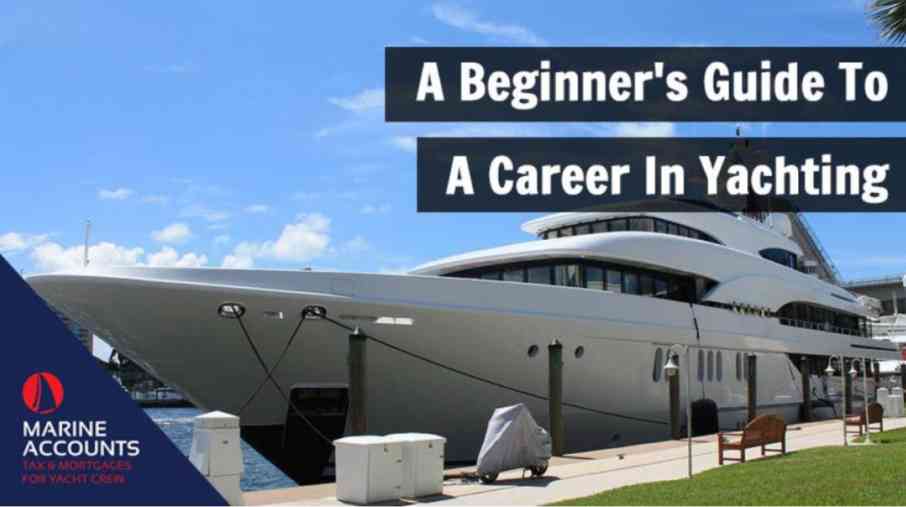
Starting a career in yachting is an exciting prospect, but knowing where to begin can feel overwhelming.
Do you need qualifications? Should you head straight to a yachting hub and start dock walking? Everyone in the industry has a different story, but most careers begin through one of a few well-established routes.
Understanding these pathways early on can help you make informed decisions, avoid common mistakes, and set yourself up for long-term success in the industry.
At a Glance
- There are multiple entry routes into the yachting industry, each with different advantages
- Your first vessel choice can shape both lifestyle and career progression
- Yacht crew are often paid in foreign currencies, requiring careful banking decisions
- Living onboard allows many crew to save quickly
- Tax residency and compliance are your personal responsibility
- Student loan repayments can be complex for UK seafarers claiming SED
Chapters
- Routes Into Your First Job
- Choosing the Right Vessel
- Managing Your Income as a Seafarer
- What Should You Do With Your Savings?
- Tax & Residency: Getting the Basics Right
- Student Loan Repayments for UK Seafarers
- Key Points and Looking Forward
Routes Into Your First Job
Most careers in yachting begin through one of three main routes.
Each pathway suits different personalities, learning styles, and long-term career ambitions.
Maritime College Cadetship
A cadetship at a recognised maritime college remains one of the most structured and reliable ways to enter the industry.
Many of today’s yacht officers and engineers began their careers through cadetship programmes.
A cadetship provides:
- A strong foundation of technical knowledge
- Recognised qualifications such as OOW or EOOW
- A clear progression route into officer-level roles
For those aiming for command or senior engineering positions, this is often the most efficient long-term pathway.
Engineering Apprenticeships
Engineering apprenticeships, particularly those linked to shipyards or marine engineering companies, offer hands-on, practical training.
This route suits individuals who prefer technical, workshop-based learning before transitioning into yacht engineering roles.
It typically provides:
- Practical mechanical and electrical skills
- Industry-recognised qualifications
- A clear route into junior engineer positions onboard
Dock Walking & Daywork
One of the most talked-about routes into yachting is flying to a major yachting hub and starting with dock walking.
Popular hubs include Antibes, Palma, Fort Lauderdale, and Barcelona.
This route requires initiative, resilience, and patience. It typically involves:
- Registering with crew agencies
- Securing daywork
- Building onboard references
- Progressing into a permanent role
Unlike merchant shipping, yachting allows entry at junior level without formal maritime qualifications, making it one of the industry’s most accessible entry points.
Choosing the Right Vessel
Once you’ve decided yachting is your path, the next key decision is choosing the type of vessel that suits your personality and career goals.
For new crew, it is often sensible to accept the first opportunity offered to gain experience, while keeping long-term direction in mind.
Charter vs Private Yachts
Charter Yachts
Charter yachts are typically more demanding, with:
- Long and intense seasons
- High guest expectations
- A fast-paced working environment
However, they often offer:
- Higher earning potential through gratuities
- Rapid skill development
- Exposure to varied cruising areas
Private Yachts
Private yachts generally provide:
- More predictable schedules
- Fewer guest trips
- A potentially better work-life balance
While gratuities are less common, many crew prefer the steadier environment.
Sailing vs Motor Yachts
Motor yachts dominate the industry and usually require larger crew numbers, meaning more job opportunities.
Sailing yachts, while fewer in number, offer:
- A more traditional seamanship experience
- Greater hands-on deck involvement
- A different onboard culture
Your choice should reflect your interests and long-term ambitions.
Managing Your Income as a Seafarer
Many new crew quickly discover that they are paid in multiple currencies, most commonly USD or EUR.
Using a standard domestic bank account can result in:
- Foreign transaction charges
- Poor exchange rates
- Unnecessary currency conversion losses
For this reason, many crew use multi-currency or international banking solutions.
However, it is important to understand that holding funds offshore does not exempt you from taxation. Tax obligations are determined by tax residence, not bank location.
What Should You Do With Your Savings?
Living onboard significantly reduces personal expenses, with no rent, minimal living costs, and food often provided.
As a result, many crew accumulate savings quickly, particularly during busy charter seasons.
Common approaches include both higher-risk investments and more traditional long-term strategies.
Regardless of approach, it is essential to:
- Understand the tax implications of investments
- Consider currency exposure
- Seek professional advice before committing significant funds
Tax & Residency: Getting the Basics Right
Yachting may be exciting, but tax compliance is critical.
Unlike shore-based employment, yacht employers rarely handle personal tax affairs. Responsibility rests entirely with the individual.
You are responsible for:
- Determining your tax residence
- Declaring worldwide income where required
- Understanding eligibility for exemptions such as the Seafarers Earnings Deduction
Common misconceptions include the belief that offshore income is invisible or that SED removes the need to declare income. Both are incorrect.
Student Loan Repayments for UK Seafarers
Student loan repayments are a common source of confusion for UK yacht crew.
While repayments are based on taxable income, inconsistencies in how the Student Loans Company applies SED can lead to unexpected repayment demands.
It is important to ensure your tax return is accurate, retain supporting documentation, and review any repayment calculations carefully.
Interest continues to accrue on outstanding balances, making proactive management essential.
Key Points and Looking Forward
A career in yachting offers opportunities that few shore-based professions can match, including travel, accelerated savings, and rapid progression.
However, it also brings cross-border tax complexity, residency challenges, and multi-currency financial planning considerations.
Preparation is key. Understanding your obligations early allows you to enjoy your career without unnecessary stress and avoid costly mistakes later.
If you would like guidance on tax residency, the Seafarers Earnings Deduction, student loan repayments, or international banking considerations, professional advice can help you make informed decisions from day one.
Disclaimer: Any advice in this publication is not intended or written by Marine Accounts to be used by a client or entity for the purpose of (i) avoiding penalties that may be imposed on any taxpayer or (ii) promoting, marketing or recommending to another party matters herein.